Protecting nature and conserving biodiversity for a sustainable future of Romania
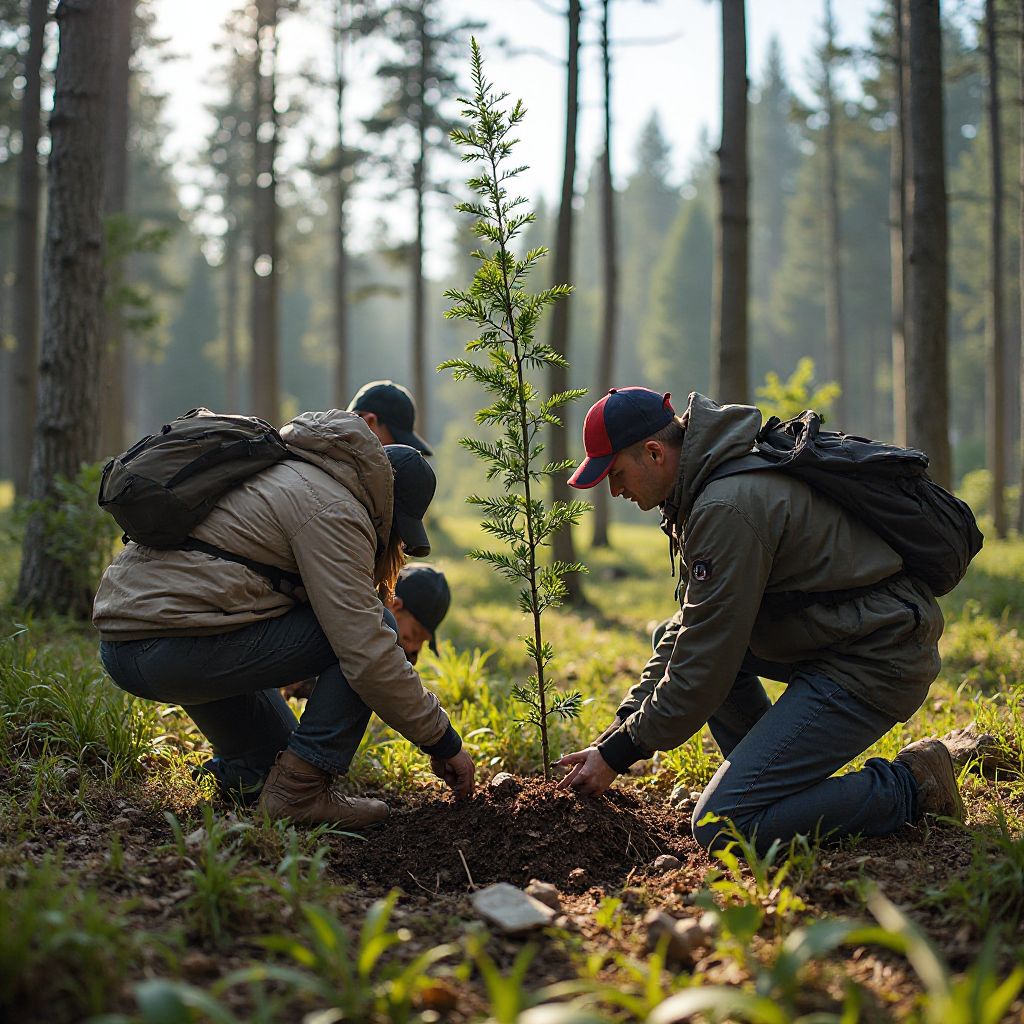
EcoNatura Romania's main goal is to conserve Romania's unique natural ecosystems and protect its exceptional biodiversity. Our country is home to over 60% of Europe's brown bears, valuable virgin forests, and the Danube Delta - the third largest biodiversity hotspot in the world.
We work tirelessly to protect these habitats, promote sustainable resource use practices, and educate the public about the importance of nature conservation. We believe that a healthy environment is the foundation of a prosperous society and it is the right of every generation to enjoy Romania's natural beauty.
Through strategic partnerships with local communities, government institutions, and international organizations, we develop innovative solutions to environmental challenges and promote a development model that balances people's needs with nature protection.
Learn more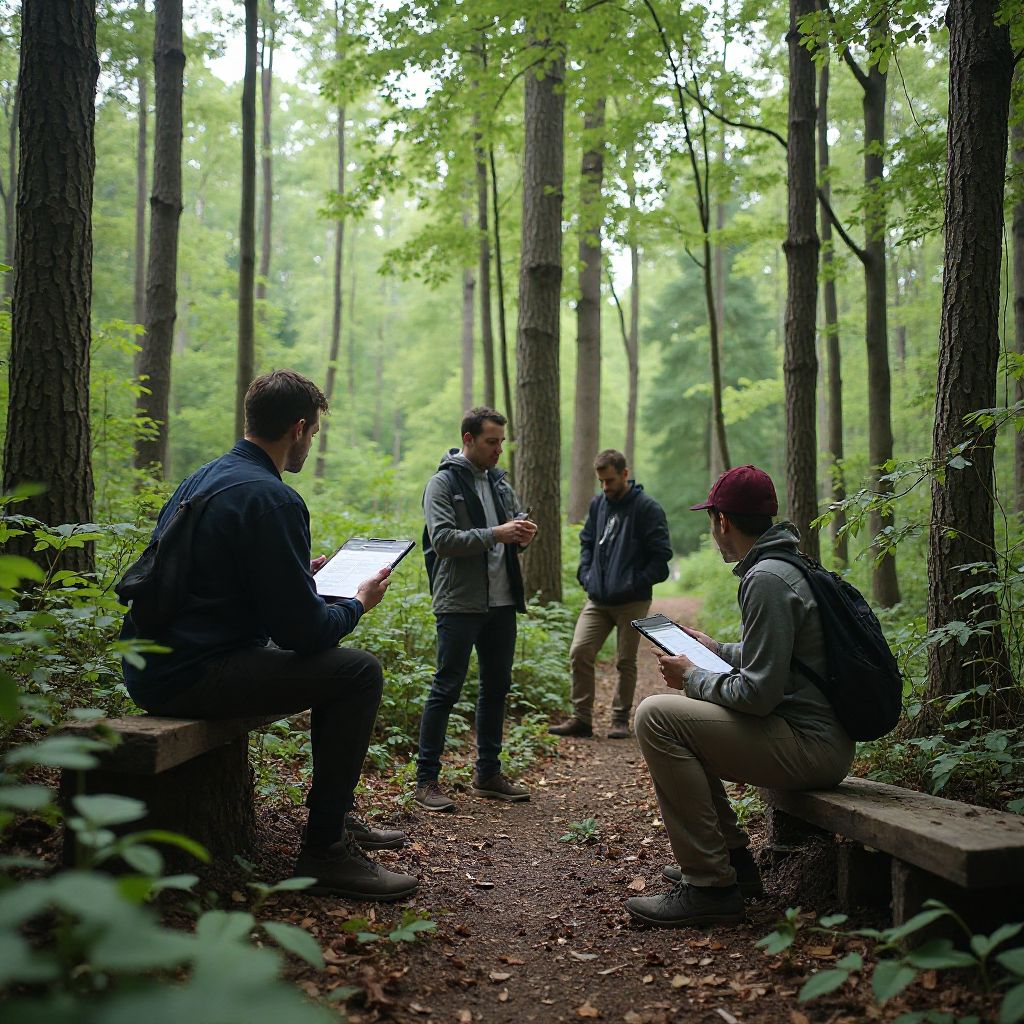
EcoNatura Romania was founded in 1998 by a group of passionate biologists and conservationists who recognized the urgent need to protect Romania's unique ecosystems during the post-communist transition period. In the early years, the organization focused on scientific documentation of valuable habitats and lobbying for improved environmental legislation.
In 2005, we launched our first major conservation project in the Southern Carpathians, which led to the protection of over 10,000 hectares of virgin forest. This success was followed by expansion of our activities to the Danube Delta and other key regions for Romania's biodiversity.
In the last decade, we have transformed into one of the most respected environmental organizations in Romania, with a team of over 50 dedicated specialists and thousands of volunteers. We have developed educational programs that reached over 100,000 students, implemented ecological restoration projects, and contributed to the creation of new protected areas.
Today, EcoNatura continues to evolve, adapting its strategies to new environmental challenges and finding innovative ways to engage society in nature conservation.
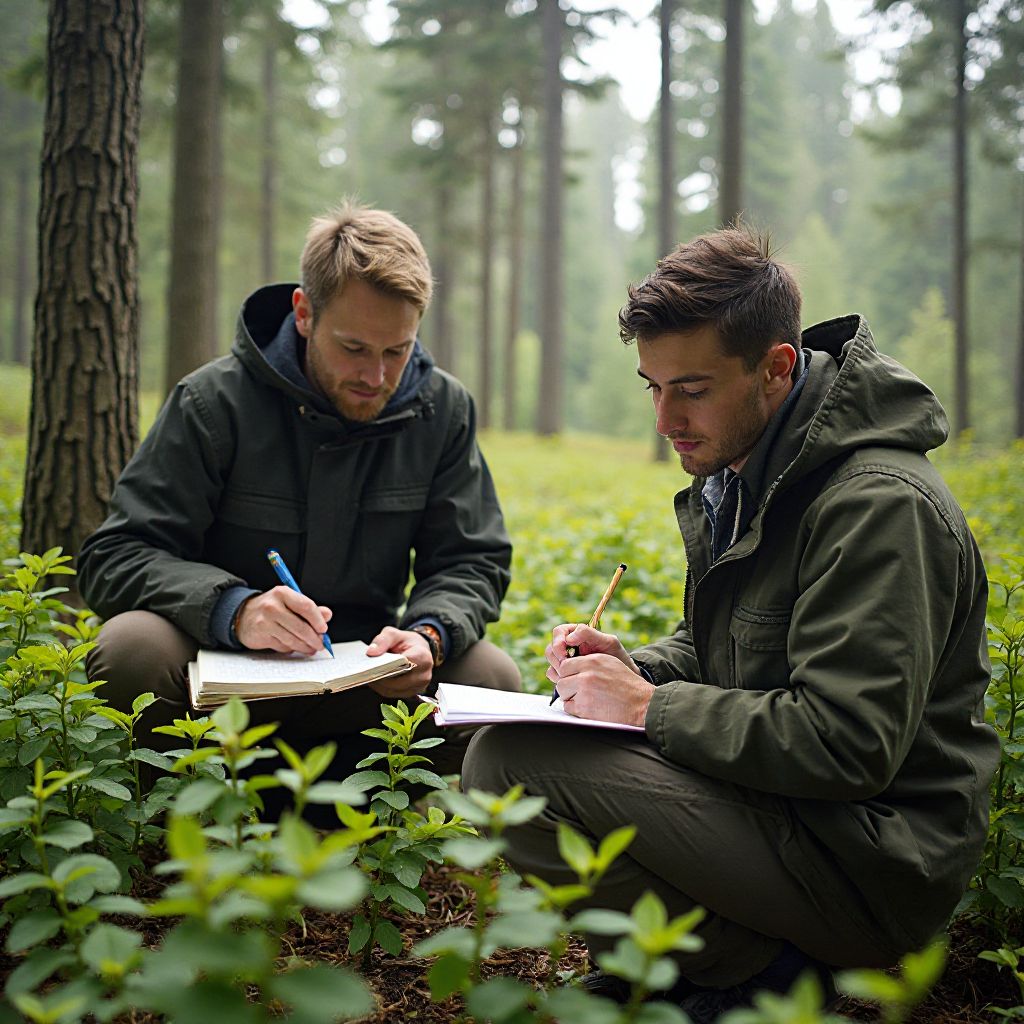
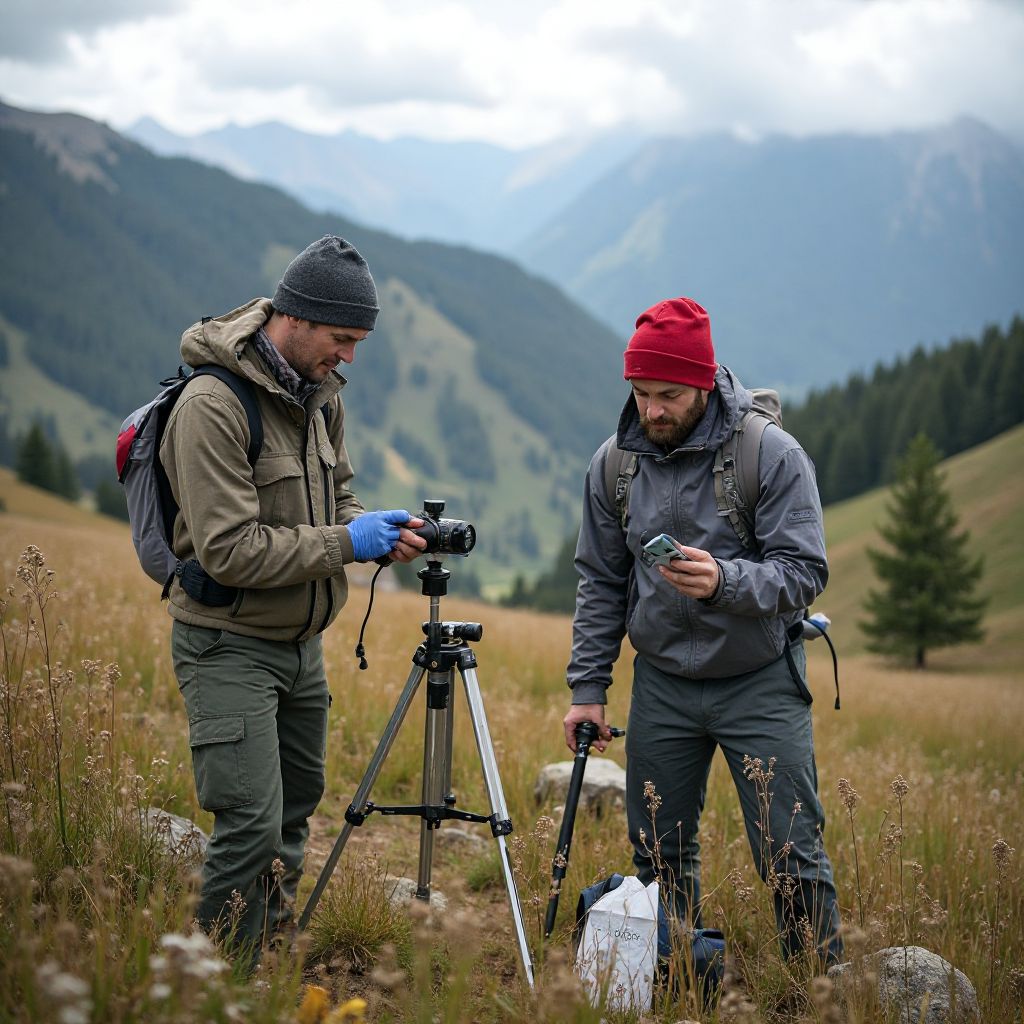
Our team of biologists and ecologists conducts extensive research on species diversity in key ecosystems across Romania. These studies are essential for understanding the current state of biodiversity and for developing effective conservation strategies. Our research methodologies combine traditional techniques with modern technologies, including environmental DNA and satellite monitoring.
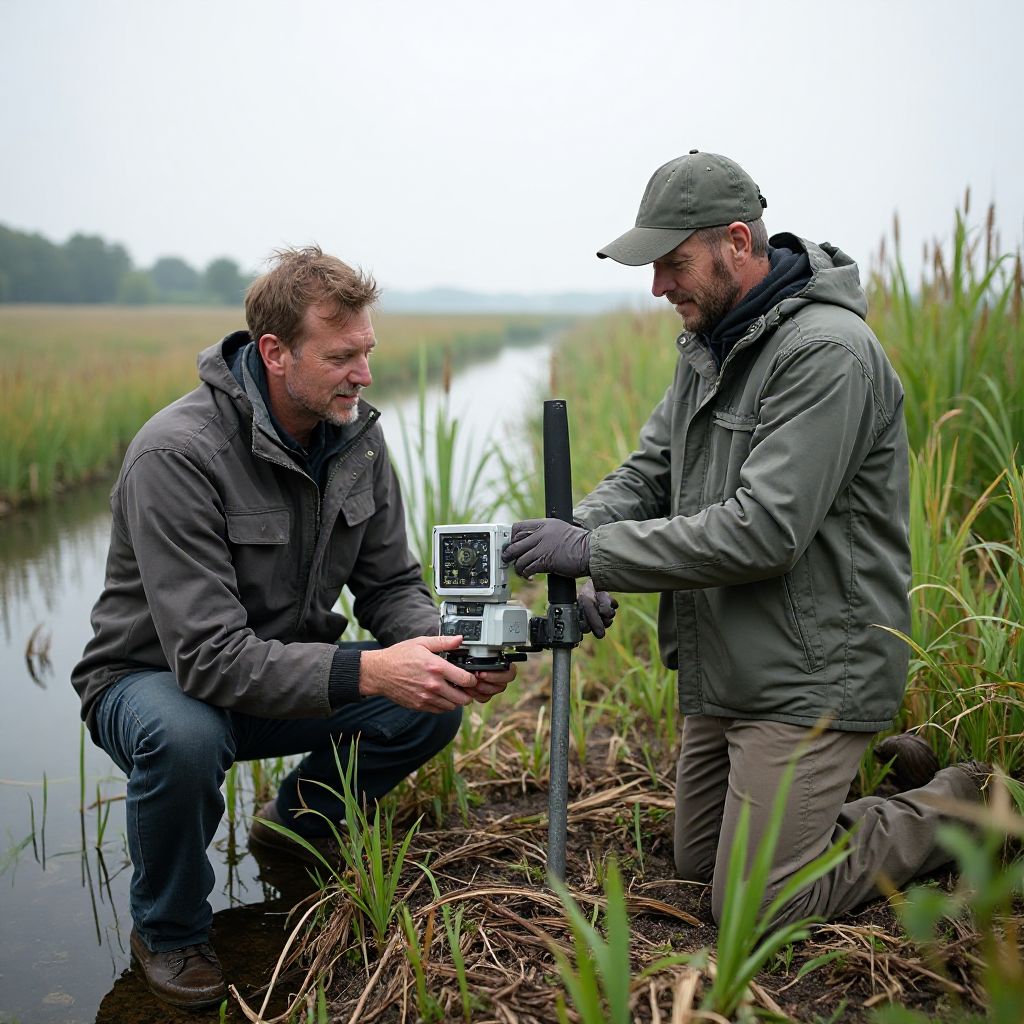
We analyze the effects of climate change on vulnerable ecosystems in Romania, with a special focus on the Danube Delta and alpine ecosystems. Our research documents changes in species distribution, plant phenology, and animal behavior in response to global warming. The collected data is used to develop predictive models and adaptation strategies for biodiversity conservation.
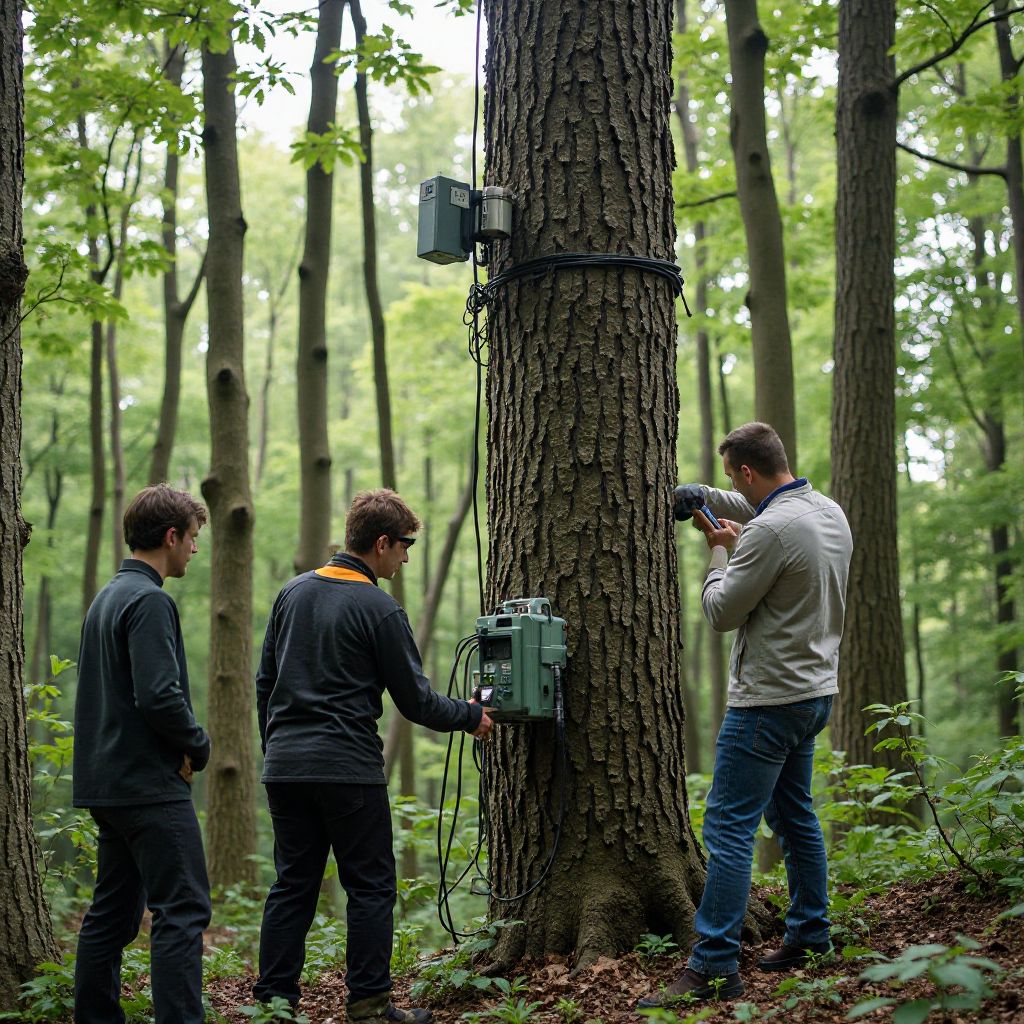
Romania’s virgin forests are a top priority in our research. We conduct detailed inventories of forest structure, species diversity, and ecosystem services. We use innovative methodologies, including drones equipped with multispectral sensors, to assess forest health and identify threats such as illegal logging and disease. The results are published in scientific journals and used to inform forest policy.
Our research adheres to the highest scientific standards, combining rigorous data collection methods with advanced statistical analyses. We collaborate with universities and research institutes from Romania and around the world to ensure the validity and relevance of our results. All studies undergo peer review and results are made public to contribute to the global knowledge base on biodiversity conservation.
Discover research results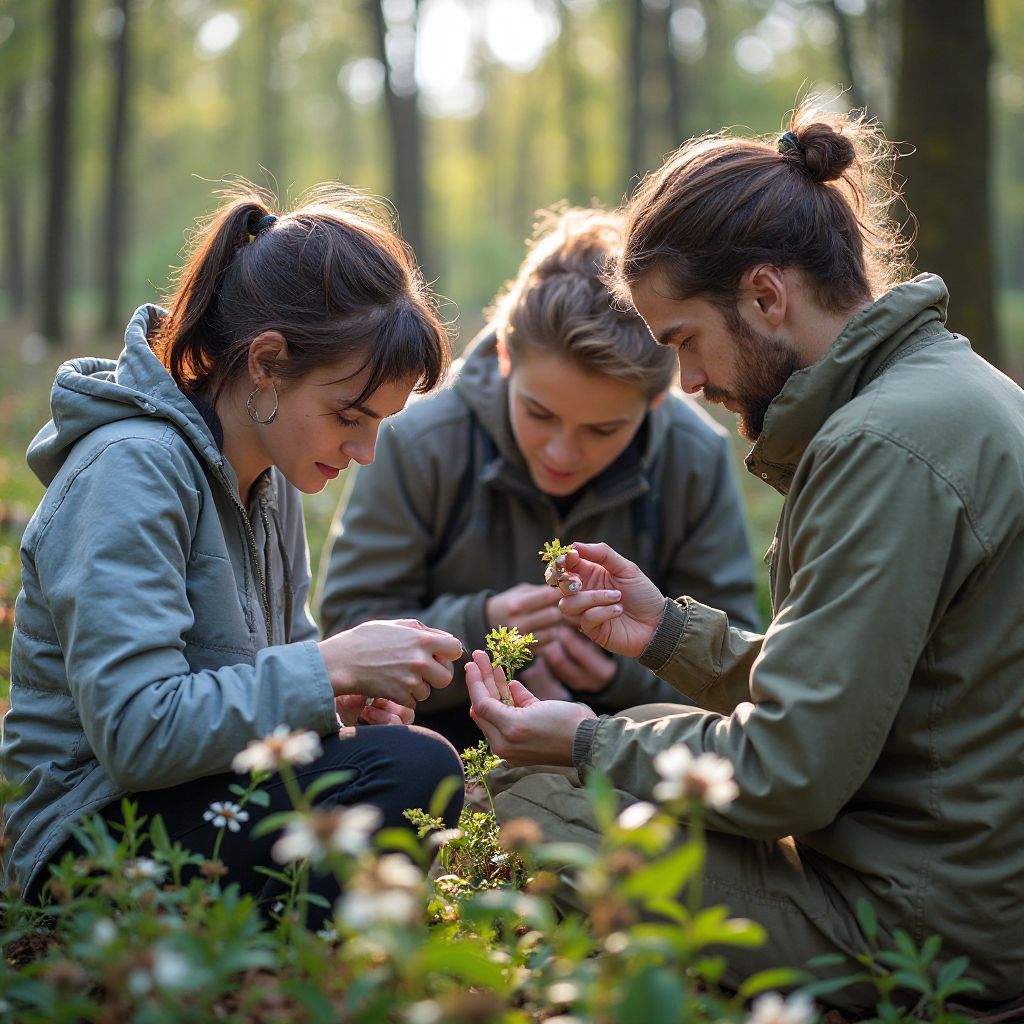
The EcoNatura team consists of specialists with extensive experience in ecology, biology, forestry, and natural resource management. Our experts hold advanced degrees and have participated in international conservation projects, bringing cutting-edge knowledge to all our activities.
Our multidisciplinary approach allows us to develop holistic solutions to complex environmental challenges, integrating ecological, social, and economic aspects. This expertise has helped us earn the trust of local communities, government institutions, and international partners.
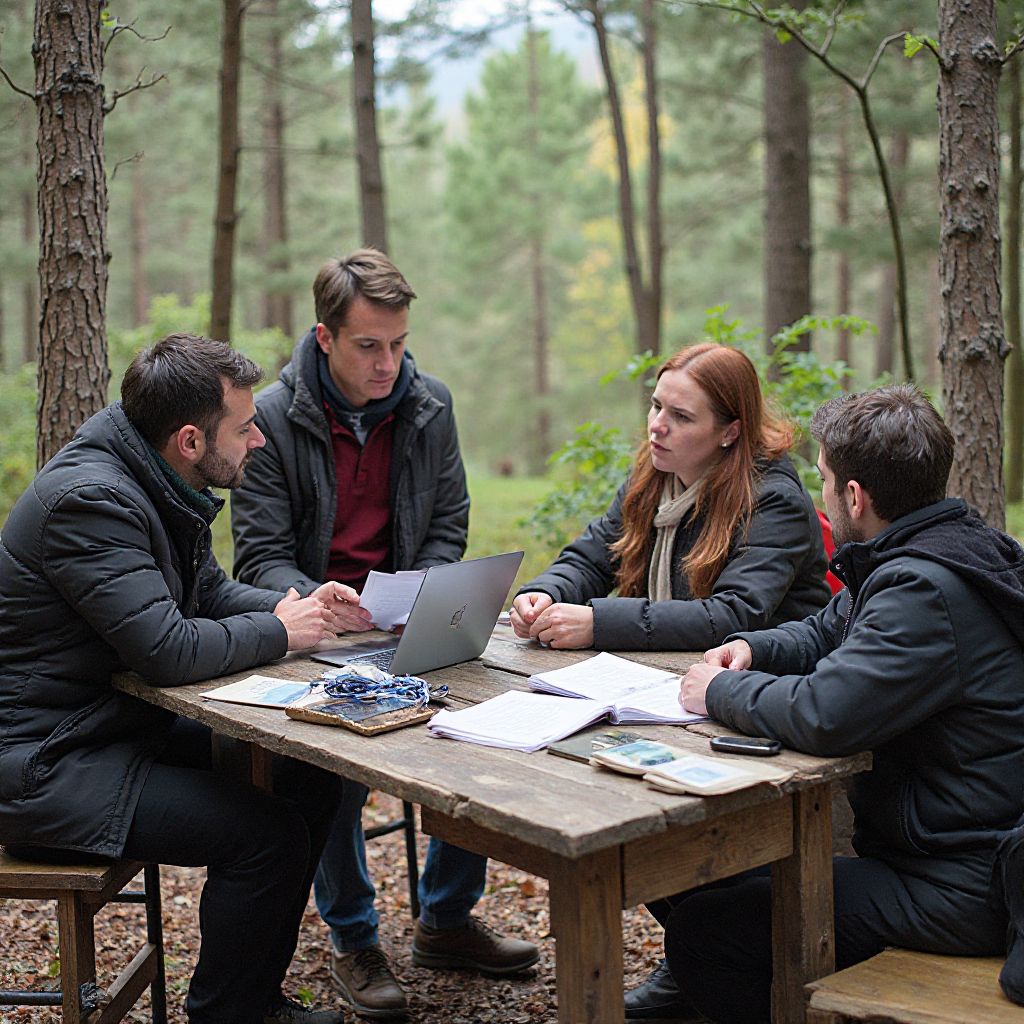
We strongly believe that the success of nature conservation depends on the involvement of local communities. Therefore, all our projects are developed in close collaboration with residents of the respective areas, leveraging traditional knowledge and ensuring that conservation activities also bring economic and social benefits.
Our education and awareness programs have reached hundreds of rural communities, fostering a sense of pride and responsibility for natural heritage. This participatory approach has led to sustainable results and positive behavioral changes towards the environment.
We apply innovative techniques and technologies to enhance the effectiveness of conservation projects, from using drones for forest monitoring to developing mobile applications that engage citizens in participatory science.
We are committed to complete transparency in all our activities. We publish detailed reports on implemented projects, results achieved, and the use of funds. This approach has helped us build trustful relationships with donors and partners.
We take pride in the tangible results of our work: thousands of hectares of protected habitat, threatened species with stabilized populations, and local communities that have adopted sustainable practices. We rigorously monitor and evaluate the impact of all projects to ensure the effectiveness of conservation investments.
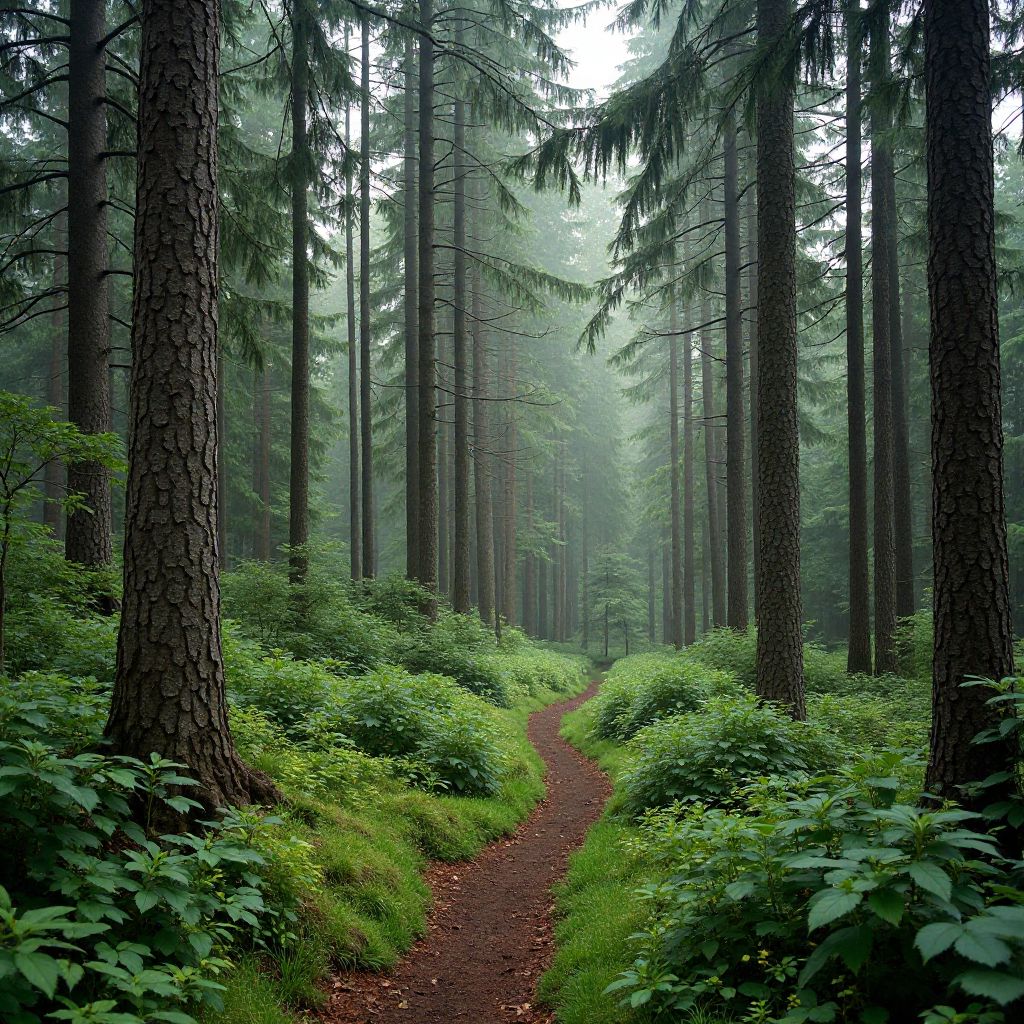
Through our virgin forest conservation program, we managed to identify and legally protect over 25,000 hectares of virgin forest in the Romanian Carpathians. These centuries-old forest ecosystems harbor rare species and play a crucial role in regional climate stability.
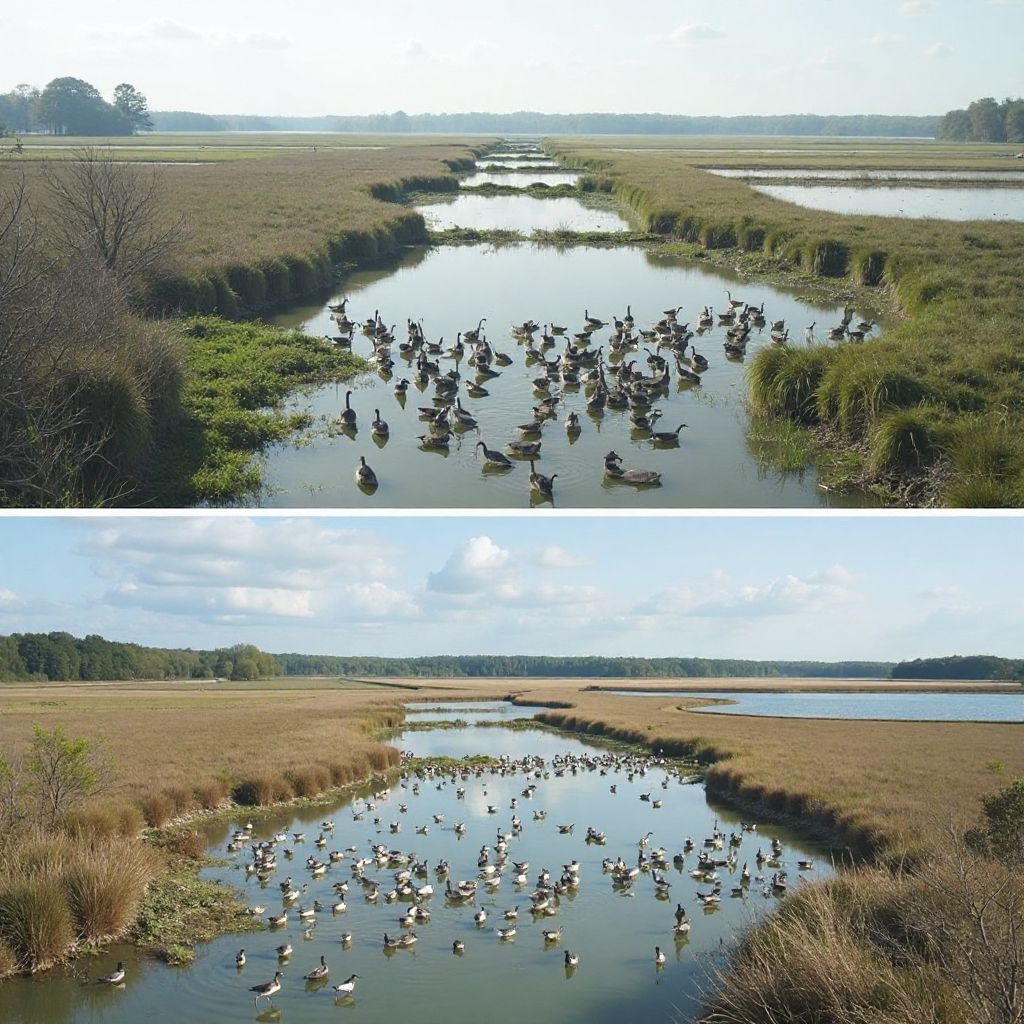
Our ecological restoration project in the Danube Delta transformed over 2,000 hectares of degraded land into functional wetlands. This effort led to the return of numerous species of aquatic birds and fish, including threatened species such as the Dalmatian pelican and Danube sturgeon.
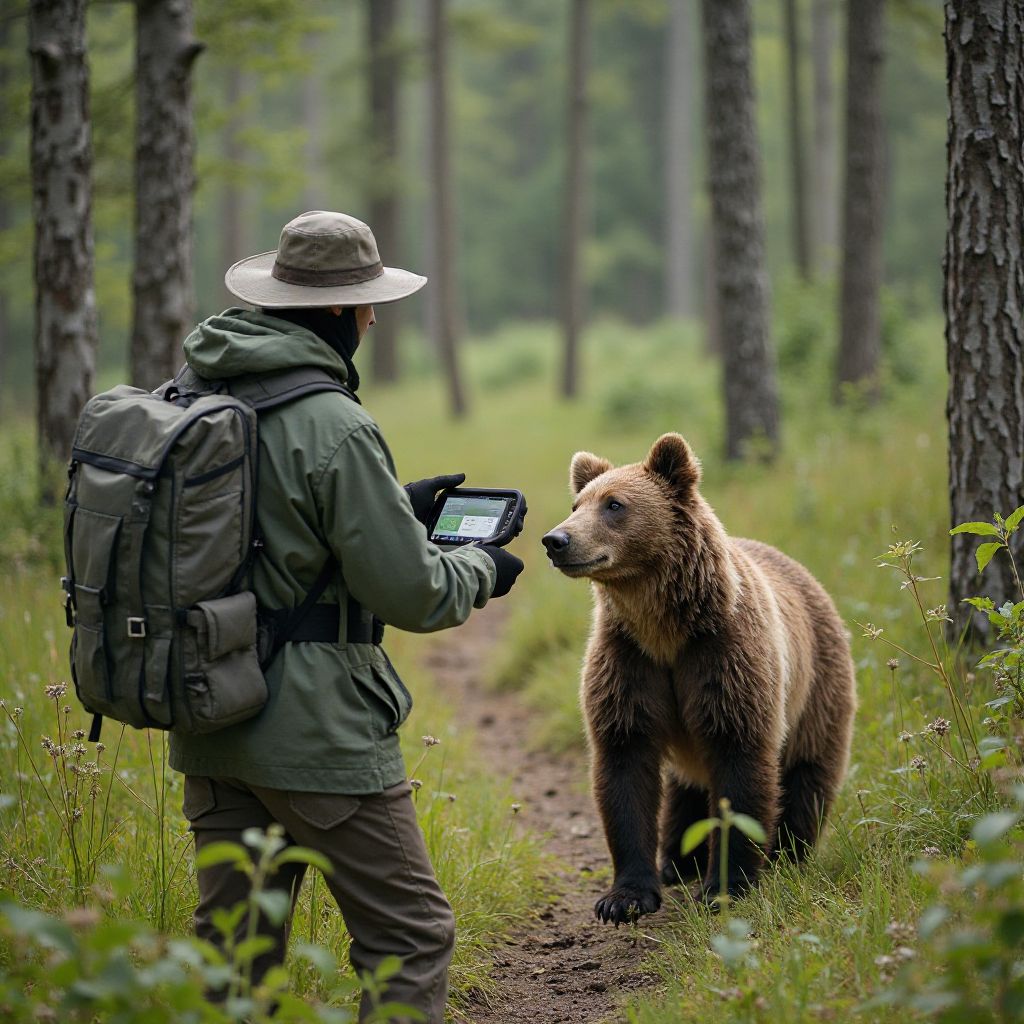
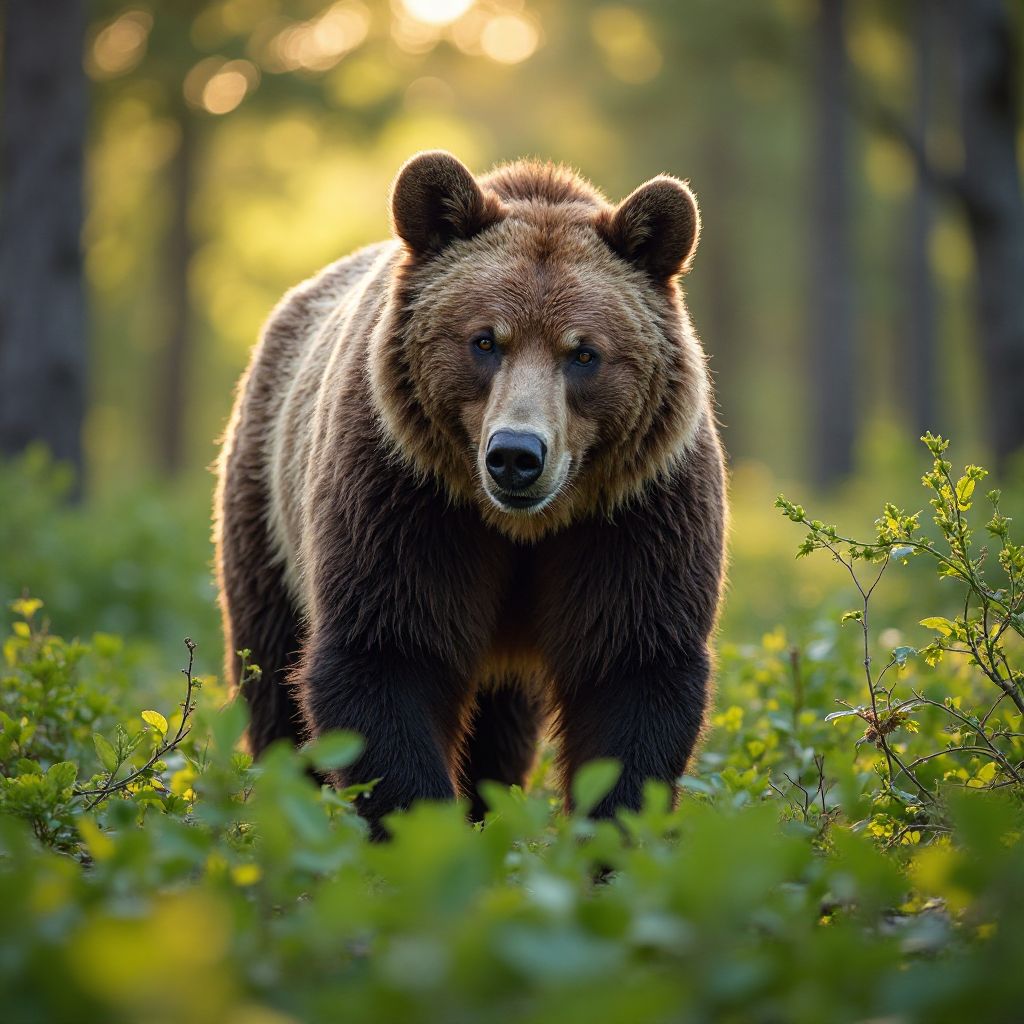
Our brown bear conservation program has significantly improved coexistence between communities and the Carpathian brown bear. Through implementation of preventive measures such as electric fences for apiaries and orchards and early warning systems, we reduced human-bear conflicts by over 70% in targeted regions.
Strategic partner in forest conservation projects and wildlife protection initiatives in Romania.
Visit →Official collaboration for implementing national environmental protection and conservation policies.
Visit →Resources and funding for biodiversity conservation projects and sustainable development initiatives.
Visit →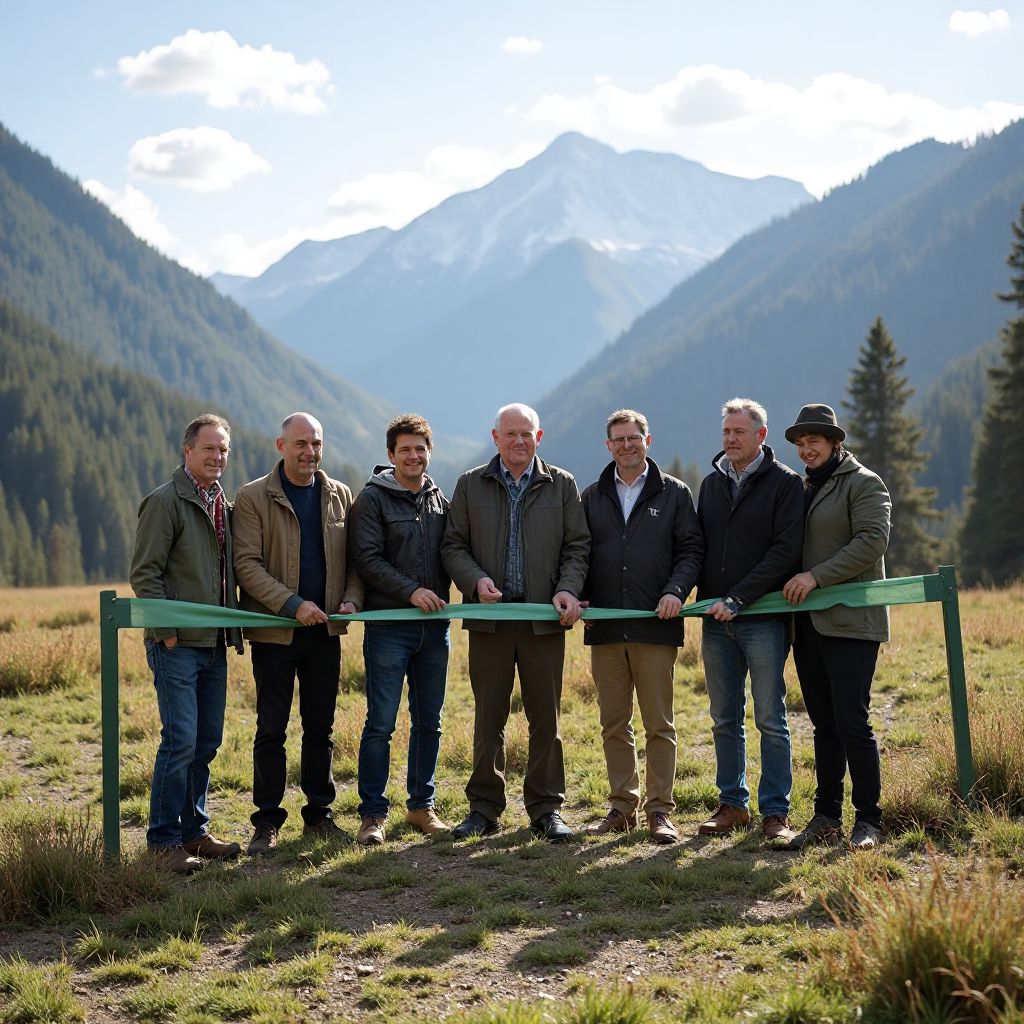
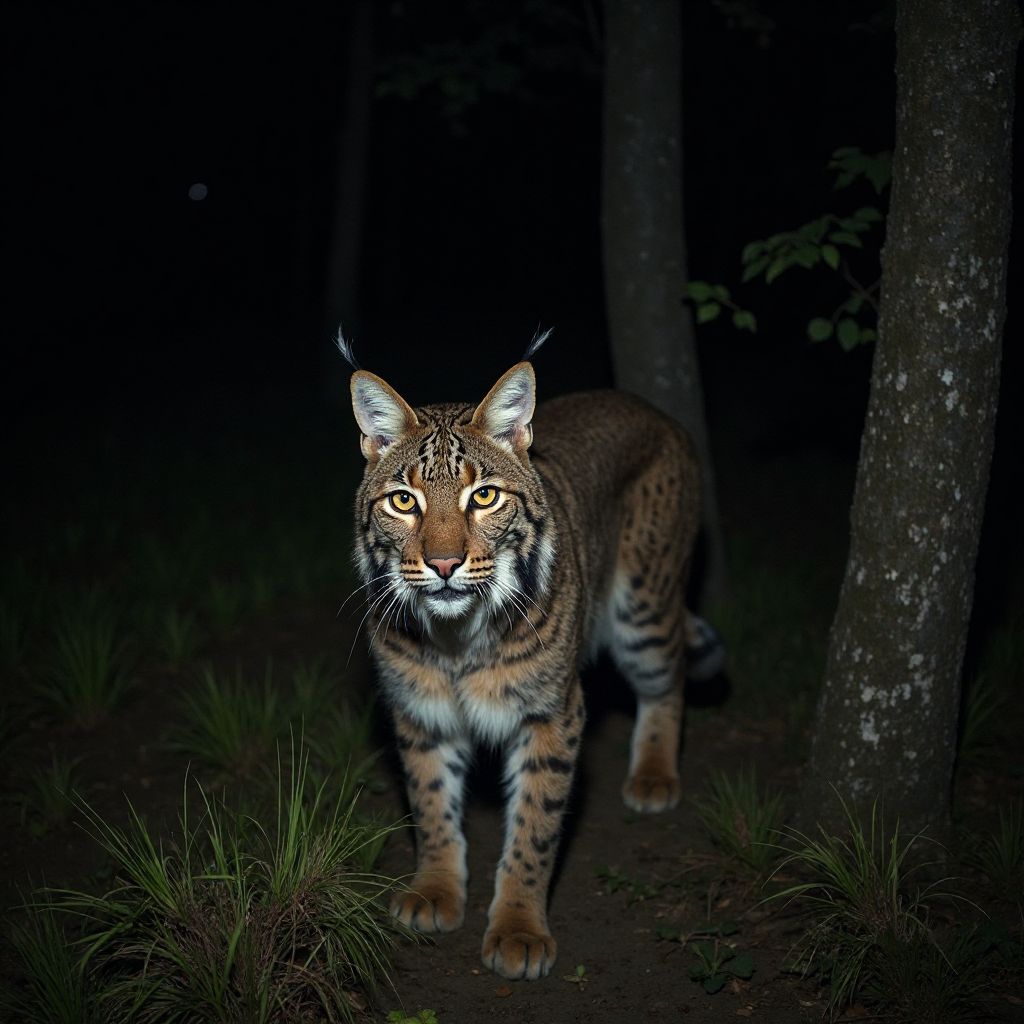
EcoNatura, in partnership with local authorities and the Ministry of Environment, succeeded in obtaining protected area status for 5,000 hectares of forest and alpine meadows in the Făgăraș Mountains. This area represents a vital ecological corridor for species such as the brown bear, lynx, and wolf.
Read more →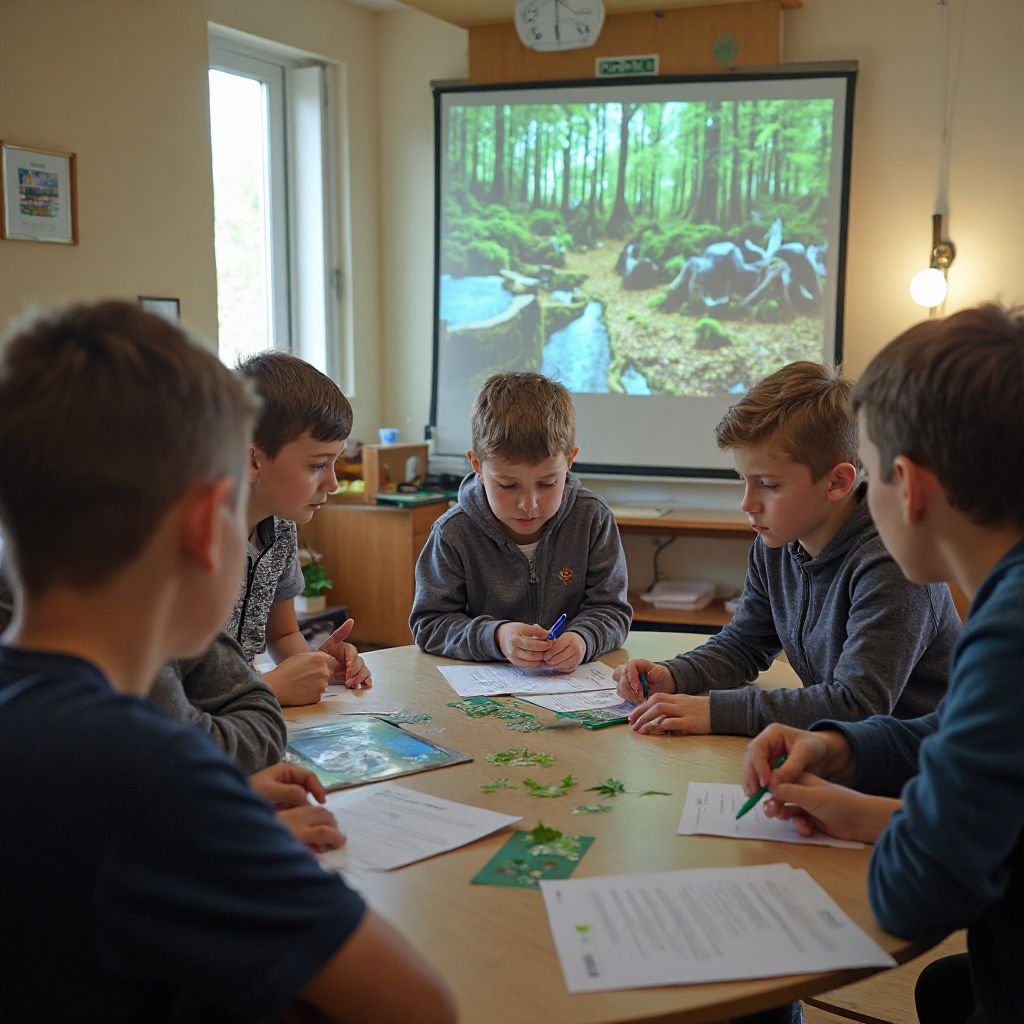
We launched the "Nature in Schools" program, which will bring practical ecological education to 200 schools across Romania. The program includes innovative teaching materials, outdoor activities, and opportunities for students to participate in real nature conservation projects.
Read more →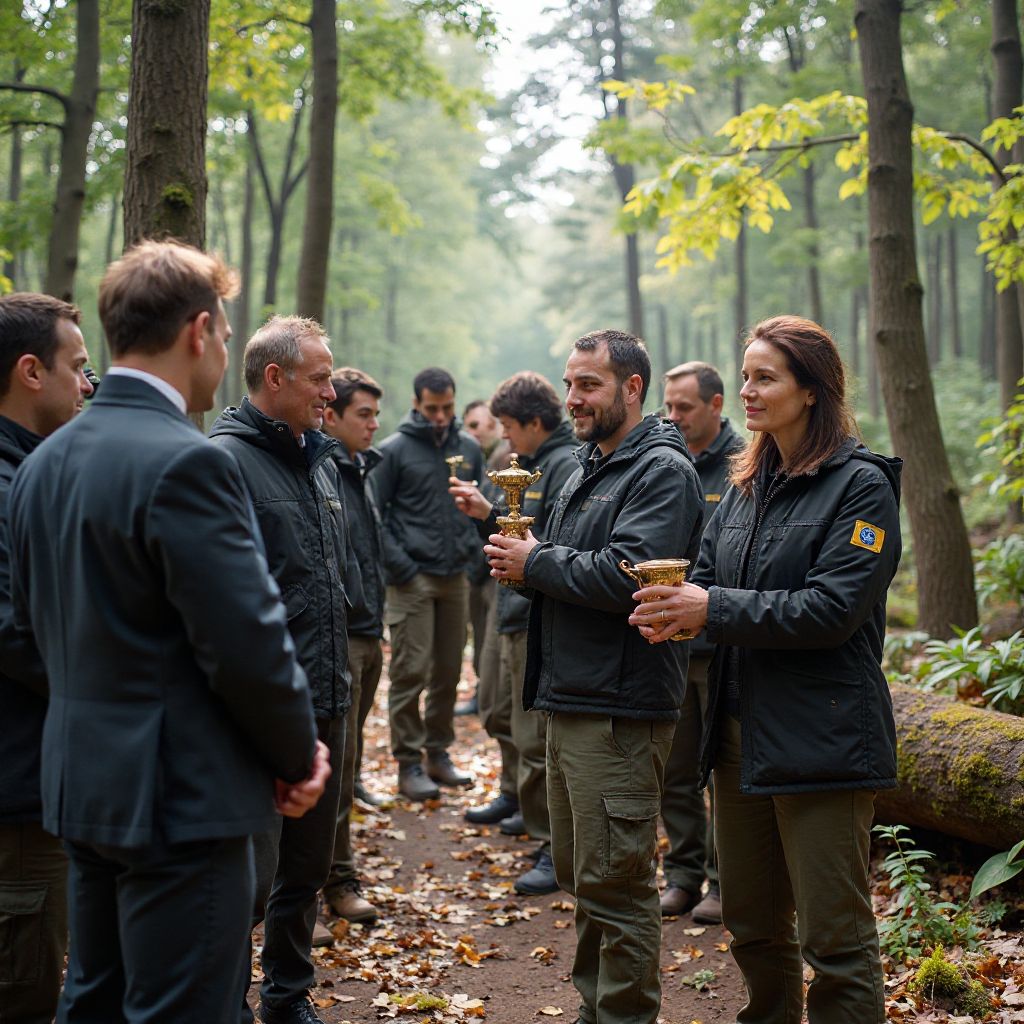
Our wetland restoration project in the Danube Delta was recognized with the prestigious "European Habitat Restoration Award". The jury highlighted the innovative approach and significant impact of the project on local biodiversity.
Read more →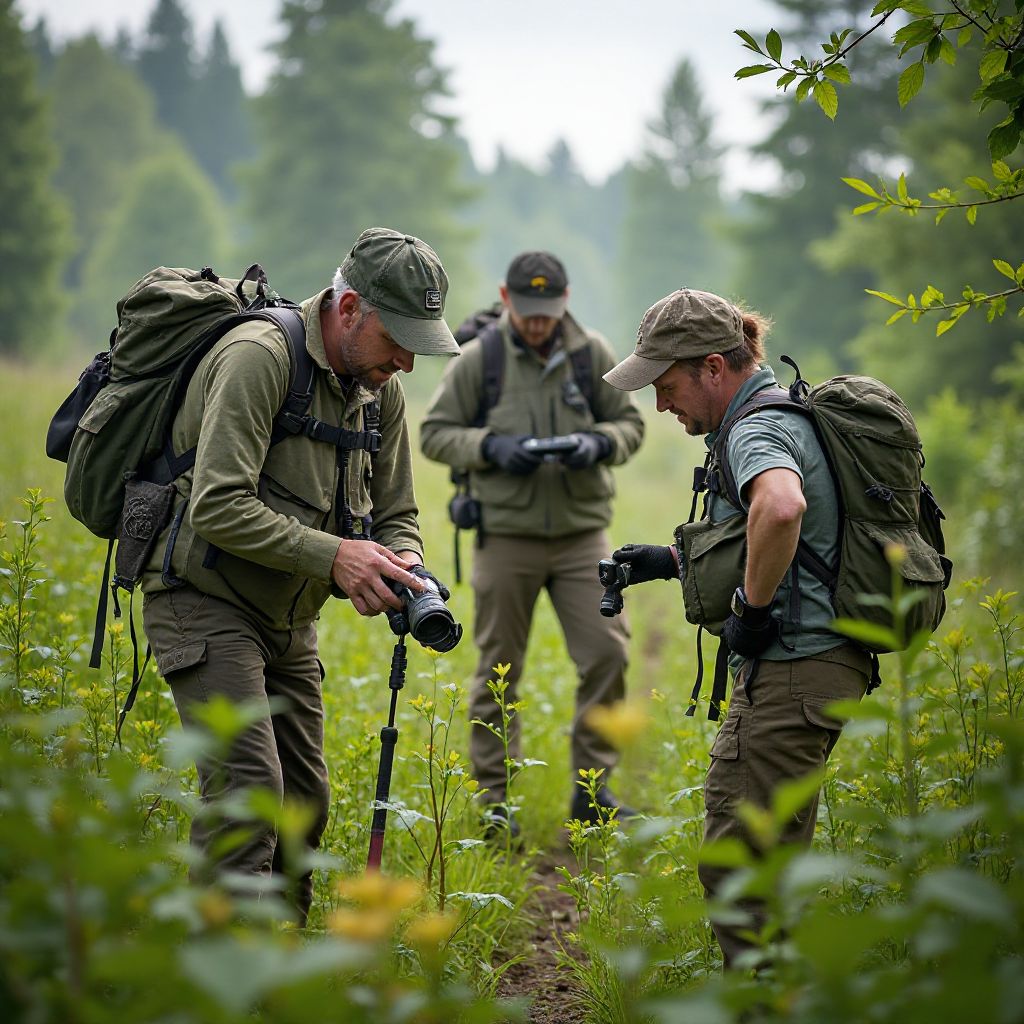
EcoNatura's methodology is based on solid scientific principles and active involvement of local communities. We begin each project with a thorough study of the target ecosystem, collecting data on biodiversity, threats, and socio-economic context.
We use an adaptive approach, constantly monitoring results and adjusting strategies based on feedback and new data. This allows us to maximize impact and respond effectively to unexpected changes in ecosystems or social context.
In all our projects, we collaborate closely with local communities, integrating traditional knowledge with modern scientific methods. This participatory approach ensures long-term sustainability of conservation efforts and creates a sense of local ownership of natural resources.
Romania hosts exceptional biodiversity in European context, with over 3,700 plant species and more than 33,000 animal species identified to date. Our studies show that approximately 17% of these are endemic or subendemic, making our country an exceptionally important conservation hotspot.
Recent research indicates that although there are significant pressures on biodiversity from logging, intensive agriculture, and urbanization, Romania still maintains functional ecosystems of extraordinary value. The Romanian Carpathians represent one of the largest refuges for large carnivores in Europe, hosting healthy populations of bears, wolves, and lynx.
Our analysis of conservation trends from the last decade shows an increase in public awareness of nature's importance, but also persistent challenges in effectively implementing protection measures. Although the surface of protected areas has increased, the efficiency of their management remains a problem in many areas.
A positive trend is the increasing involvement of local communities and the private sector in conservation initiatives. Co-management models for natural resources and community-based ecotourism have demonstrated promising results in regions such as Maramureș and Țara Hațegului.
Journal of European Forest Research, 2026
The first comprehensive study identifying and analyzing the state of remaining virgin forests in the Southern Carpathians, using remote sensing methodologies and ground verification.
Download the study →Ecology and Conservation, 2022
Analysis of global warming effects on the distribution of alpine species in Romania, based on 15 years of data collected across various altitudinal transects.
Download the study →Environmental Management, 2022
Critical evaluation of participatory approaches in wetland conservation, based on case studies from five communities in the Danube Delta.
Download the study →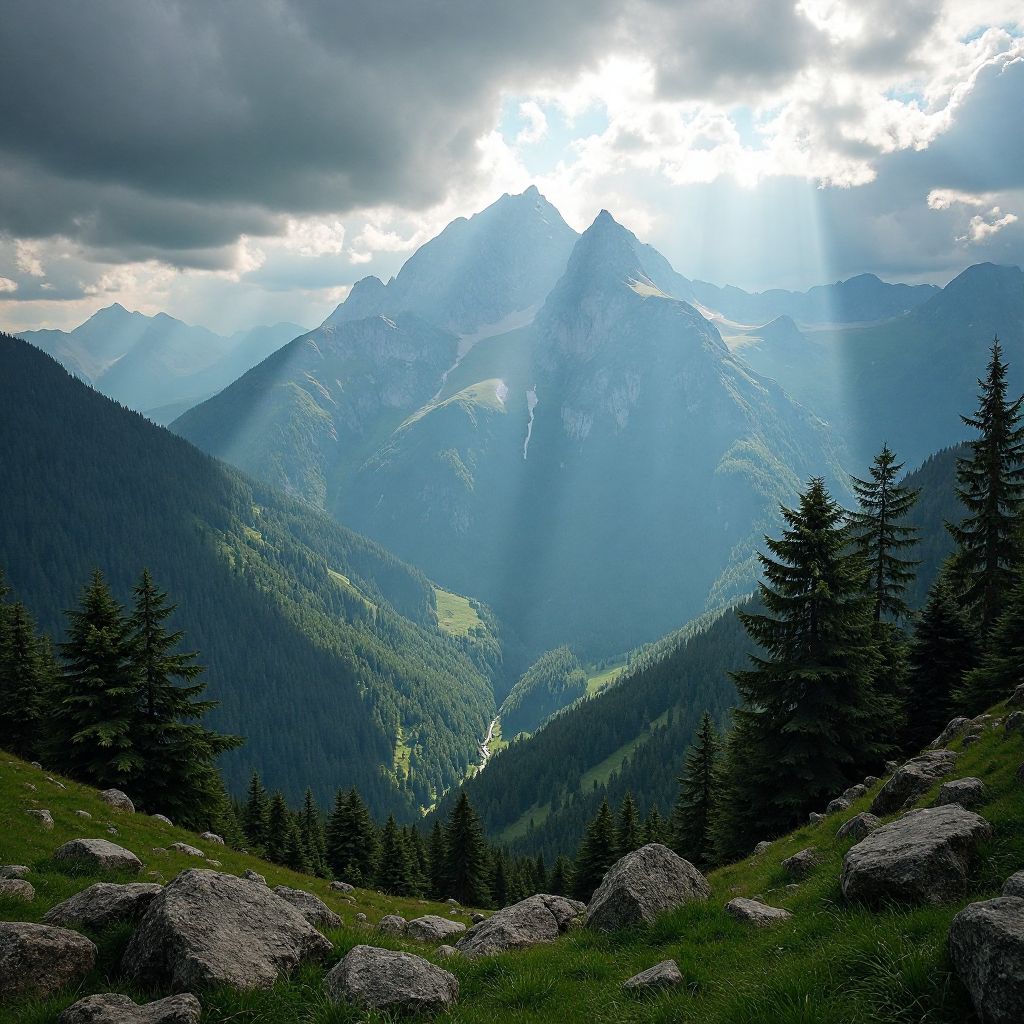
Granted by the European Commission in 2022 for our ecological restoration project in the Danube Delta, recognized for its innovative approach and significant impact.
Brussels, 2022Awarded by the Presidency of Romania for outstanding contribution to the conservation of national natural heritage and public education efforts.
Bucharest, 2021Awarded by the International Union for Conservation of Nature for developing innovative biodiversity monitoring methodologies using digital technologies.
Geneva, 2020 ISO 14001
 IUCN Member
 EMAS
EMAS
 WWF Partner
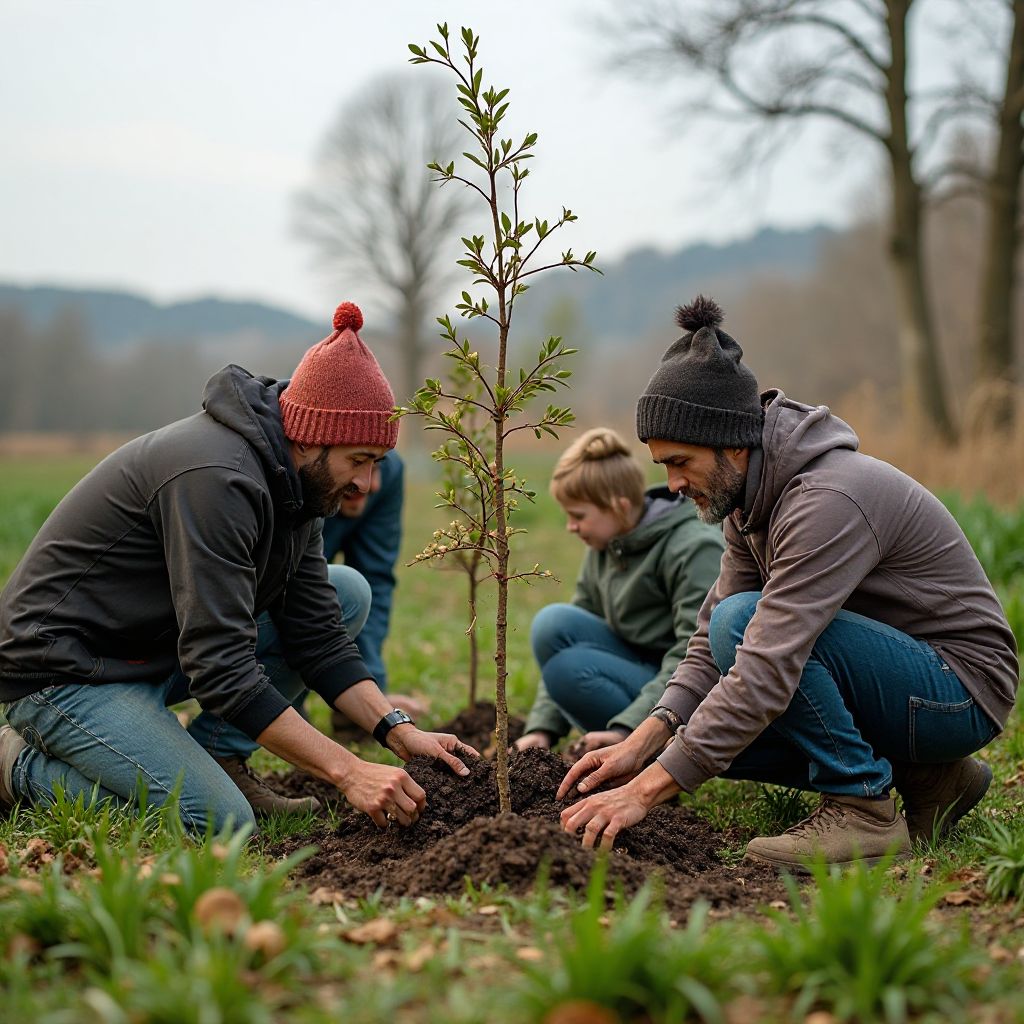
There are many ways to contribute to nature conservation in Romania. You can volunteer with our organization or other environmental NGOs, participating in tree planting, biodiversity monitoring, or environmental education activities. You can also donate to support conservation projects or adopt a more sustainable lifestyle, reducing your ecological footprint by saving resources and minimizing waste.
Promoting awareness about the importance of nature conservation within your social circle is also valuable. Lastly, you can support responsible environmental policies and choose to buy local, organic, and eco-certified products.
The most threatened ecosystems in Romania include virgin and near-virgin forests, affected by both legal and illegal logging. These ancient forests host unique biodiversity and are extremely valuable scientifically and ecologically.
Wetlands, including the Danube Delta, are also under pressure due to pollution, agricultural drainage, and climate change. High Nature Value grasslands are threatened by intensified agriculture or, in some cases, by the abandonment of traditional farming practices that maintained ecosystem biodiversity.
Alpine ecosystems are highly vulnerable to climate change, and many coastal habitats face threats from excessive tourism development and coastal erosion.
To visit natural areas responsibly, follow ecotourism principles. First, familiarize yourself with the rules of protected areas you intend to visit and adhere to them strictly. Stay on marked trails to minimize impact on vegetation and soil.
Do not disturb wildlife and maintain a safe distance from animals. Do not pick plants, minerals, or other natural elements. Carry out all waste you generate, and if possible, collect waste left by other visitors.
Choose local guides and tour operators who follow sustainable tourism principles and support the local economy. Use low-impact transportation options and, when possible, stay in eco-certified accommodations.
EcoNatura runs multiple educational programs tailored to different school levels. The "Nature in Schools" program provides teaching materials, teacher guides, and interactive activities to integrate environmental education into the curriculum. We organize educational field trips to protected areas where students learn directly about ecosystems, biodiversity, and conservation.
The annual "Young Naturalists" contest encourages students to develop research or community projects on environmental topics. We also offer summer eco-camps where children can participate in practical conservation activities and learn about nature interactively and enjoyably.
For interested schools, we provide teacher training on education for sustainable development and support implementing ecological projects at school, such as school gardens, composting systems, or waste reduction programs.
To volunteer at EcoNatura, start by completing the volunteer form on our website or contacting us directly via email or phone. We hold periodic orientation sessions for new volunteers to learn more about the organization, our projects, and ways to get involved.
We offer various volunteer activities, from fieldwork (planting, clean-ups, biodiversity monitoring) to administrative support, translations, graphic design, environmental education, or advocacy. We aim to match volunteers' skills and interests with project needs.
For dedicated volunteers, we provide professional development opportunities, including specialized training and participation in international projects. We value any level of involvement, whether a few hours per month or more intensive participation in our activities.
15 Aviatorilor Street, Cluj-Napoca, Cluj County, Romania
+40 748 921 357